
Quantity & SKU Mix
Share the required units for each product, not only the total box quantity. Different products and packaging styles cannot automatically be combined to reach one production minimum.
FOR SUBSCRIPTION BOX & CURATED BEAUTY BUYERS
Plan repeatable color-cosmetics sourcing for monthly, quarterly, seasonal or limited-edition beauty boxes. Define the product mix, units per SKU, packaging route, delivery date and market requirements before comparing quotations.
FROM PRODUCT MIX TO BOX DELIVERY
Product selection, units per SKU and the warehouse date come first. Packaging and presentation can then be planned around the confirmed products instead of forcing the products into an unverified box concept.
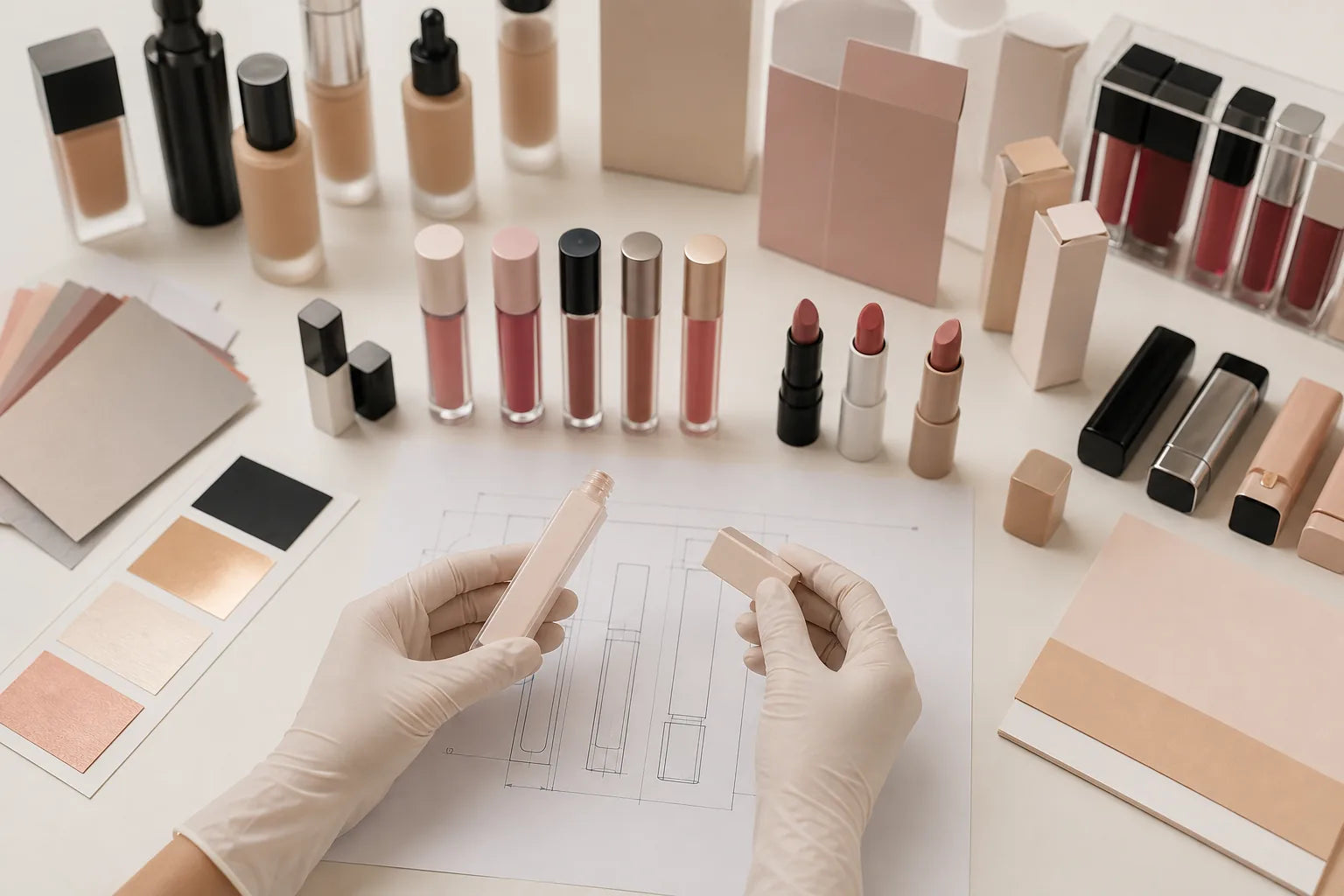


START WITH THE BOX DATE AND PRODUCT MIX
A useful project starts with the number of subscribers, units needed for each product, delivery destination and required warehouse date. Those details determine whether an available formula, private-label route or deeper custom project is realistic.
For recurring programs, plan more than one box ahead so products, packaging, artwork and documents can be approved before the delivery window becomes urgent.
Share the required units for each product, not only the total box quantity. Different products and packaging styles cannot automatically be combined to reach one production minimum.
Ready formulas and available components usually fit tighter budgets and calendars better. New formulas, exclusive shades or deeper packaging changes need a separate development route.
Work backward from the required warehouse arrival date. Sampling, artwork, approvals, production and freight are separate stages; timing is confirmed for the selected products and destination.
Confirm whether the box needs a full-size or mini product, stock component, logo, label, outer carton or another presentation. Mini formats are product- and component-dependent.
Name the destination country early. Product-specific ingredient information, SDS, COA, test records and market support depend on the selected formula, SKU, batch and project scope.
Keep the approved formula or sample reference, shade map, artwork, component specification and carton details aligned so the next box can be planned from the confirmed configuration.
Buyer questions
These answers show what can be planned at enquiry stage and what still needs product-specific confirmation.
SindeBella can review color-cosmetics projects for subscription boxes, curated beauty boxes and limited campaigns. Suitability depends on the selected products, units per SKU, product size, packaging, required arrival date and destination market.
There is no separate subscription-box MOQ. Private label commonly begins around 500 finished units per product and packaging style, subject to the product. Custom formula, new shades, mini components or deeper packaging changes can require higher quantities.
Not automatically. Lip gloss, blush, eyeliner and other products use different formulas, components and production setups. The quantity is reviewed per product and packaging style rather than treating unrelated products as one combined minimum.
Where a product supports available colors in the same formula and packaging, a project may be evaluated from approximately 100 units per supported color within the product minimum. The available shade split must be confirmed for the selected item.
Ready formulas and stock components are often the practical starting point when a box needs controlled cost, faster selection and rotating products. Custom formula development is better suited to a defined product brief, sufficient quantity, development budget and a longer approval plan.
Mini or sample-size feasibility depends on the product, fill weight, available component, filling method, labeling space and quantity. It is reviewed separately from a full-size retail product and should not be assumed for every formula.
A rotating program can be discussed, but each product still needs its own availability, quantity, approval and delivery plan. A forward calendar is more reliable than requesting a new unconfirmed product immediately before each box date.
First define whether the requirement is finished cosmetic units, individual outer cartons, a multi-product set, or delivery to a separate warehouse or 3PL. Complete box assembly and fulfilment are separate scopes and must be confirmed for the project rather than assumed.
Depending on the selected formula and order, available support may include ingredient information, finished-product SDS/MSDS, COA and applicable factory information. Testing, market-entry services and third-party documents are reviewed and charged by project where required.
Logo decoration or an outer carton may be possible on an available component. Component color changes, special surface finishes, new structures or private molds have higher supplier minimums and longer development, so they should be planned separately from a small or short-deadline box.
Provide the required warehouse date, destination, units per product, product and SKU count, full-size or mini preference, formula direction, packaging and logo requirements, target cost, document needs and whether this is a one-time or recurring program.
Yes. Samples can be used to shortlist the formula, shade, applicator and available packaging before production. In-stock samples commonly need about 3–5 working days to prepare for dispatch, subject to availability; custom sampling follows the confirmed development scope and timing.
Start from the required warehouse arrival date and allow time for product selection, samples, artwork, approvals, production and freight. There is no single lead time for every project, so the schedule is confirmed after the products, quantities, packaging and destination are known.
SUBSCRIPTION BOX PROJECT REVIEW
Share the box date, units per product, number of SKUs, target market and delivery destination. We can then review which ready-formula, private-label or custom route is realistic.