MAKEUP PRODUCTION PLANNING FOR EMERGING BRANDS

How Emerging Beauty Brands Can Plan Trend-Led Makeup Production

A reference product can clarify the format, finish and customer experience you want. The next step is to choose a manufacturing route that fits your quantity, customization, packaging and launch plan—without copying another brand's protected formula, artwork, mold or identity.

FROM A TREND REFERENCE TO A MANUFACTURABLE PRODUCT

Use the Reference to Define the Result, Not to Request a Copy

Brands often begin with a product they like. A useful brief translates that reference into measurable choices: texture, coverage, finish, pigment level, wear, shade direction, applicator, fill size, packaging and target price position.

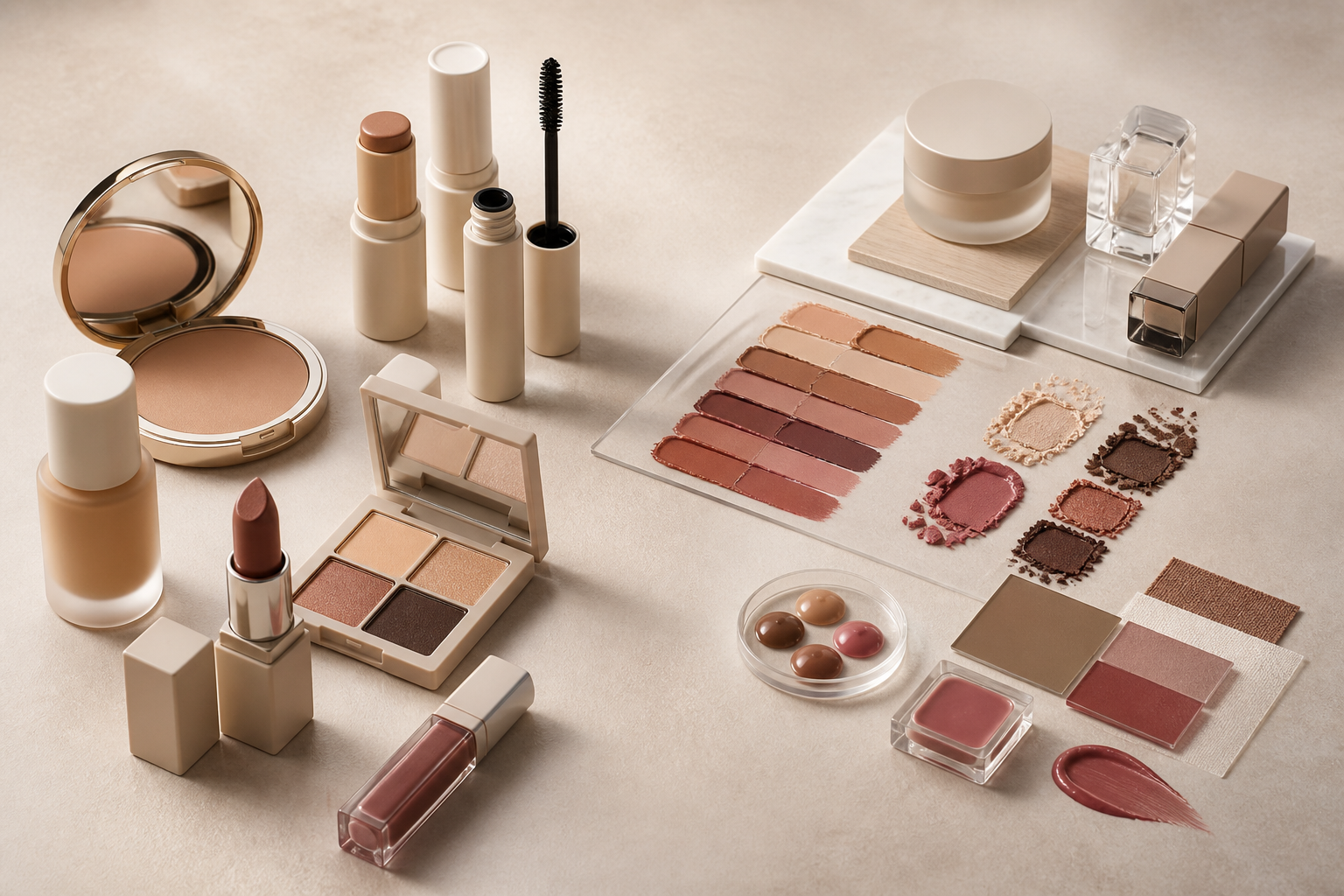
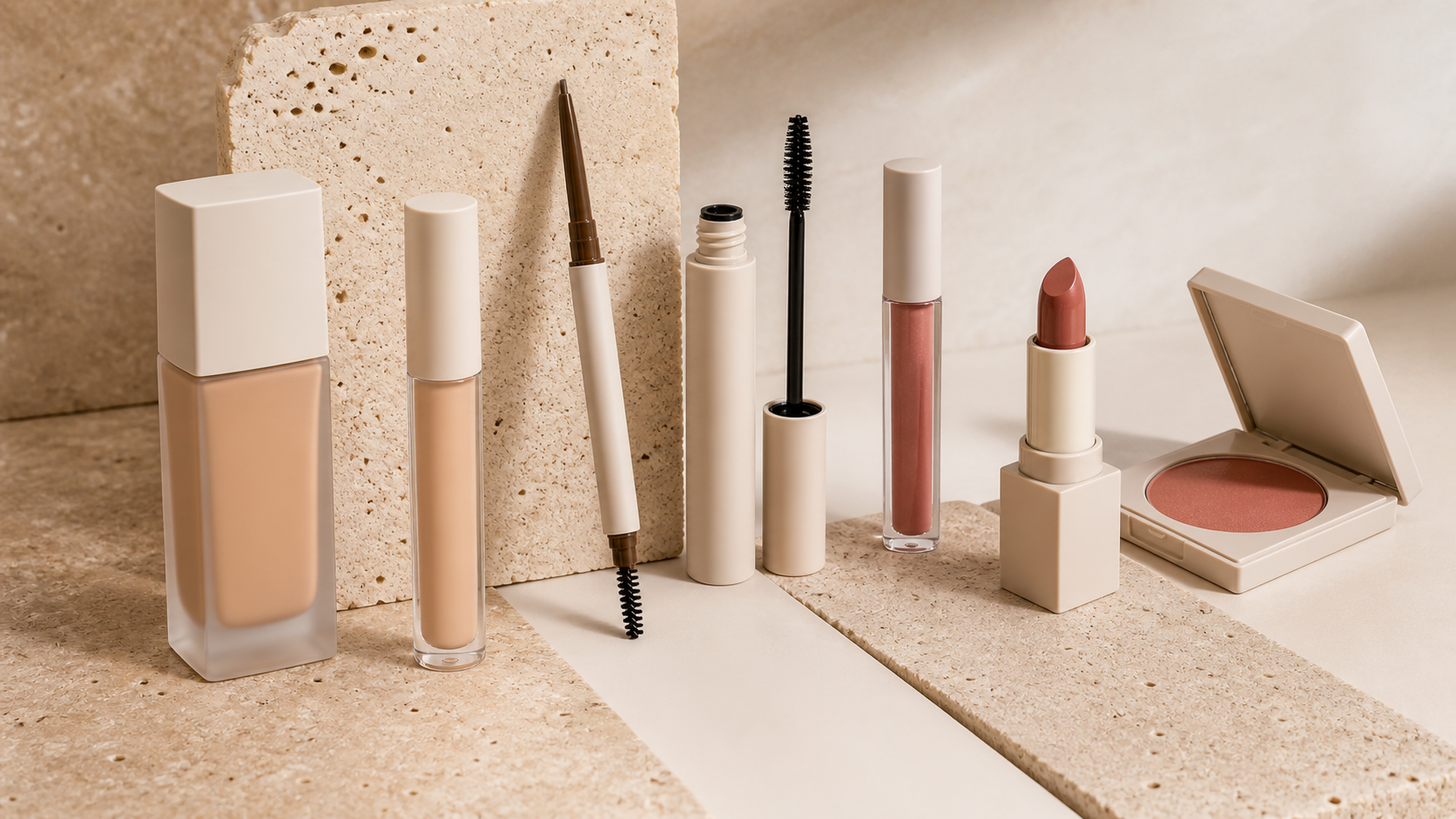
Color cosmetics product formats suitable for private label collection planning
Choose the Product Route An available formula and component route is different from developing a new formula, applicator or package.
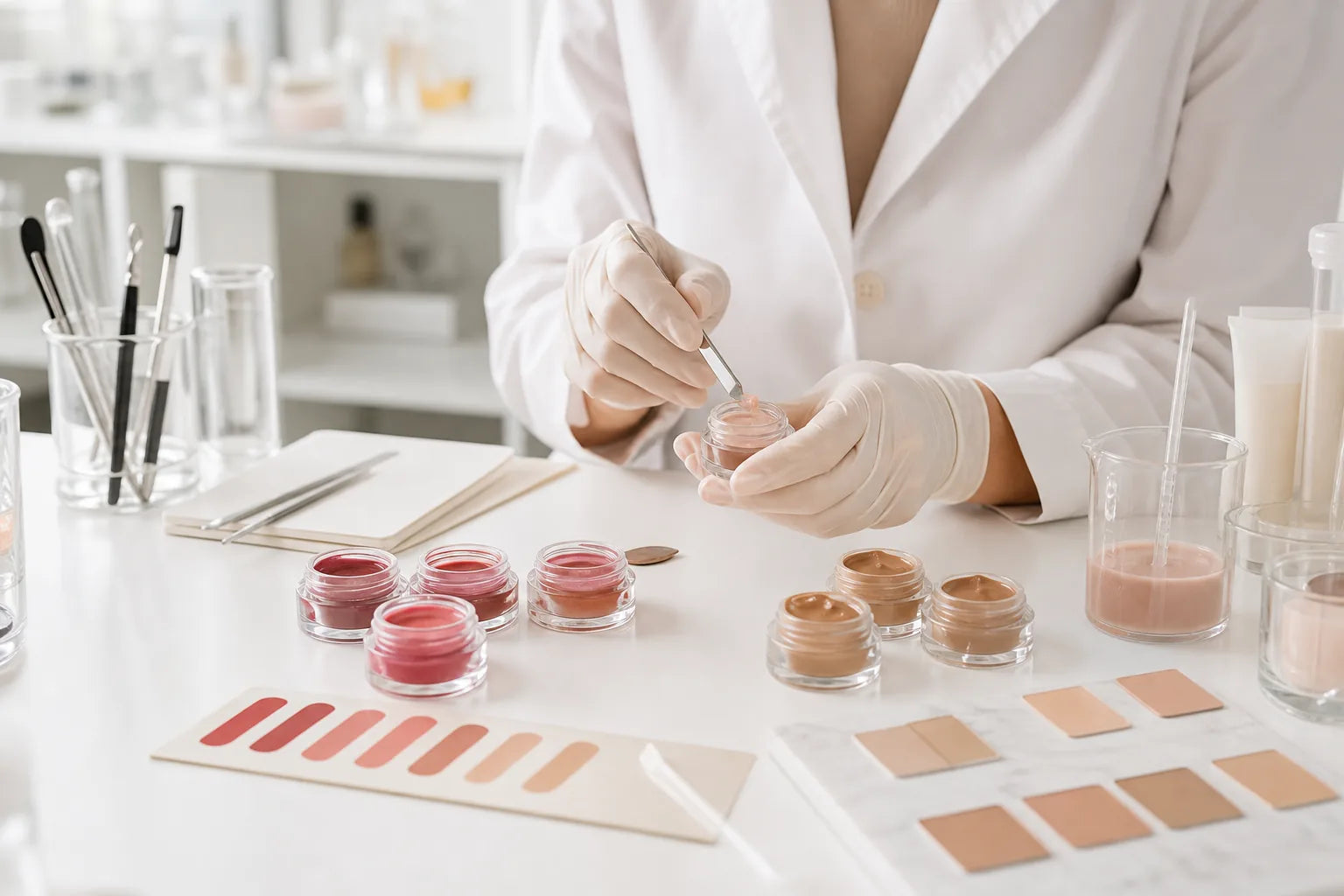
Cosmetic formula and shade sample review for a makeup development project
Approve the Result in Stages Review formula, shade, applicator and packaging compatibility before committing to production.

COMPARE THE MANUFACTURING COMMITMENT

A Large-Scale Brand and a First Launch Do Not Use the Same Route

Large-volume brands can commit to dedicated materials, packaging production and specialized processes. An emerging brand may be better served by an available formula, focused shade plan and stock component first.

The objective is not to force every idea into the smallest quantity. It is to select the lowest-complexity route that can still deliver the result your customer should notice.

Available Formula + Stock Packaging

Private label commonly begins around 500 finished units per product and packaging style, subject to product confirmation. Where supported, available colors within the same product and package may be evaluated from approximately 100 units per color.

Custom Formula or Performance Direction

Custom formula work commonly begins around 1,000 units or more per SKU or color. The actual quantity depends on the format, requested changes, raw materials, filling, component and production process; some special products require a higher run.

Special Component Color or Finish

A dedicated component color, electroplating or special surface treatment commonly requires around 6,000–12,000 components. Specialized or premium component projects can require more. This is a packaging-supplier minimum, not automatically a finished-product MOQ.

New Mold or Proprietary Structure

A new bottle, compact, mechanism or applicator is an engineering project with separate tooling, prototype and testing review. Development may take roughly 4–6 months before mass production, depending on the structure and revision cycle.

Reference Product Without Copying

Use a reference to describe the desired format, application, finish, shade logic and customer experience. SindeBella does not promise an identical protected formula, private mold, artwork or branded design.

Scale After the Product Is Proven

A focused first range can reduce unnecessary SKU and packaging complexity. Keep the approved formula, shade, component and artwork records aligned so repeat orders can be planned from the confirmed configuration.

Buyer questions

Questions Buyers Ask When Comparing Large-Brand and Emerging-Brand Production

These answers separate public facts from online assumptions and show what needs product-specific confirmation.

Who manufactures SHEGLAM, and what is the factory MOQ?

SHEGLAM does not publish a complete supplier list or one factory MOQ in the official information we can verify. Named-factory lists and quantity estimates found online should not be treated as confirmed supplier relationships. A large brand can also use multiple suppliers for different products, components and markets, so the relevant MOQ belongs to the specific product and manufacturing scope.

Can SindeBella manufacture a product similar to a SHEGLAM reference?

SindeBella can review a reference product as a performance and format brief. Tell us which texture, coverage, finish, shade direction, applicator, fill size and packaging details matter to your customer. We then assess a distinct available-formula or custom-development route; we do not promise to duplicate another brand's protected formula, mold, artwork or identity.

Should a startup try to use the same factory as a large makeup brand?

Not necessarily. A factory selected for a large-volume program may be designed around higher production commitments, dedicated materials and longer planning cycles. The better question is whether the supplier can support your product format, target market, quantity, documentation, packaging and repeat-order plan.

Is 500 units enough to launch a private label makeup product?

It can be a practical starting point for selected products using an available formula and stock packaging. It does not mean every formula, shade, component or decoration can be produced at 500 units. The selected product and packaging style must be confirmed first.

Can 500 units be divided across different makeup products?

Not automatically. Lip gloss, foundation, blush and eyeliner use different formulas, components and production setups. The minimum is normally assessed by product and packaging style rather than combining unrelated products into one total.

Can the product minimum be divided across several shades?

Where supported, available colors within the same product, formula route and packaging may be evaluated from approximately 100 units per color inside the confirmed product minimum. The shade split is product-specific and must be approved before quotation.

Why can two small liquid makeup products have different MOQs?

Fill volume alone does not determine MOQ. Viscosity, emulsification, pigment dispersion, raw-material minimums, special processing, filling equipment, wiper and applicator compatibility, component sourcing and cleaning or setup requirements can all change the workable production quantity.

What should an emerging brand send for an initial manufacturing review?

Send the product category, reference or desired result, target market, quantity per product, number of shades or SKUs, formula route, packaging direction, target cost position, required documents and launch timing. This is enough to identify the likely route before a detailed quotation.

Is China, Korea or the United States the best manufacturing location?

There is no universal best location. Compare suppliers using the same product brief and evaluate formula capability, component access, quantity, sampling, communication, market documents, production timing, freight and landed cost. Country-level MOQ averages should not replace a product-specific quotation.

How should I compare quotations from different makeup manufacturers?

Confirm that each quotation covers the same formula, fill weight, shade count, component, decoration, outer carton, testing, documents, quantity, payment terms and delivery terms. A lower unit price may describe a different product or exclude work included elsewhere.

Which product documents can be discussed for an emerging brand project?

Depending on the selected formula and order, available support may include ingredient information, finished-product SDS or MSDS, COA and applicable factory information. Testing, PIF, CPSR, third-party certification and market-entry work are evaluated and charged by project where required.

How can a brand follow a makeup trend without becoming a copy?

Translate the trend into your own customer and product brief: define the use occasion, texture, finish, shade architecture, applicator, packaging cues and price position. Keep distinctive brand artwork and product decisions, and avoid requesting another brand's protected formula, mold, trademark or packaging identity.

EMERGING BRAND PROJECT REVIEW

Turn a Reference Product Into a Workable Brief

Share the product, target result, quantity per product, shade plan, packaging route, destination market and launch goal. We can then review which manufacturing route fits the project.

MOQ, formula feasibility, packaging, timing and document availability are confirmed after the selected product and project scope are reviewed.