
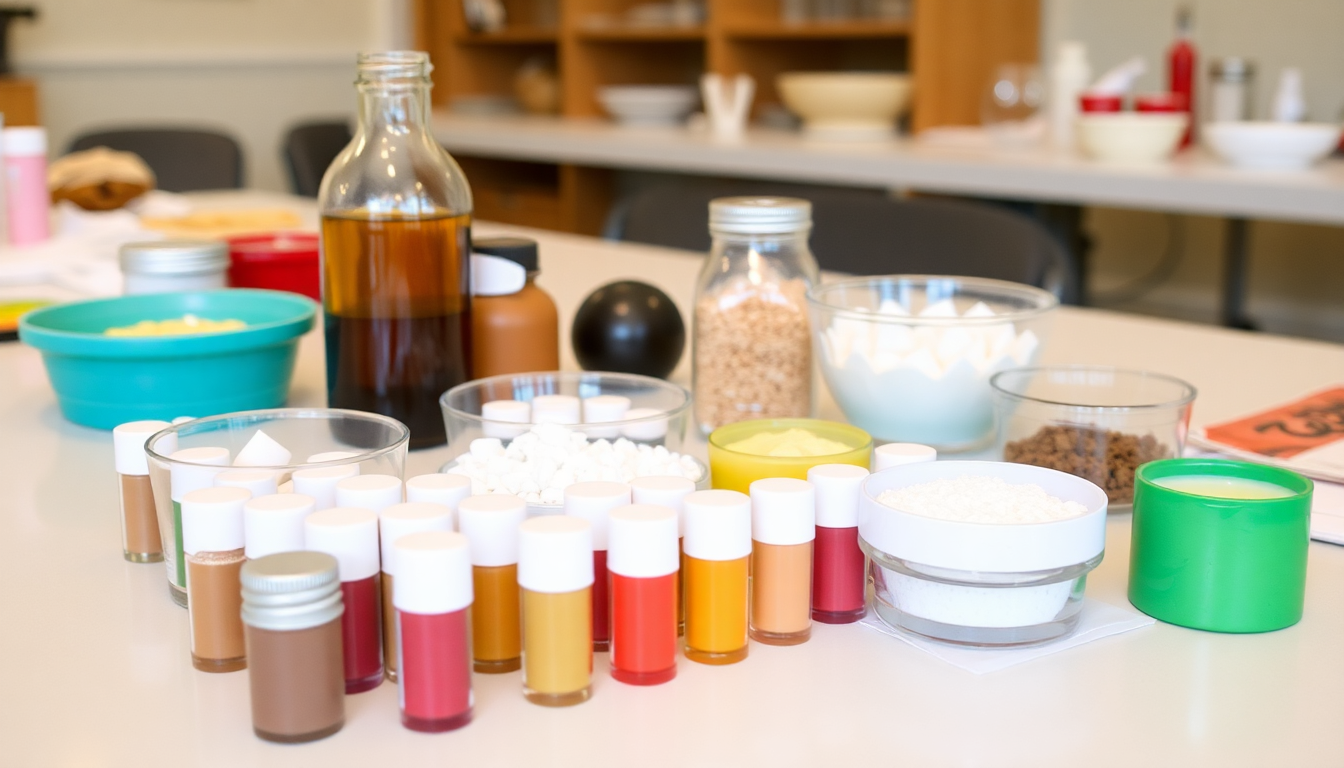

How to Price a Private Label Lip Balm: True Unit Costs, MOQ Strategies & Vegan Formula Tips for Startups
Ultimate Guide to Launching Your Private Label Lip Balm Like a Pro
Why Lip Balm Is Your 2024–2025 Brand Launchpad (+Trend Data)
Lip balm is a classic starter product for beauty entrepreneurs: simple formulation, repeat purchase cadence, and wide shopper appeal. Recent market signals make it an even smarter launch pick:
- NPD Group reported strong growth in treatment and tinted balms in 2024, with glossy and treatment formats outpacing plain medicated balms.
- Grand View Research published forecasts in 2024 showing rising consumer demand for natural and vegan lip products through 2027, supporting premium clean positioning.
- Search and social trend analyses in early 2025 indicate sustained interest in sustainable packaging and SPF-enabled daily balms among Gen Z and millennial shoppers.
Think of creating your lip balm range like building a capsule wardrobe: a few versatile pieces that work across seasons and encourage repeat purchases.
Step 1: Formula Foundations - What Beginners MUST Know
Formula choices determine both product performance and production cost. For private label lip balm, prioritize stability, sensory feel, and clean/vegan claims if you plan to market as a vegan lip product.
Key vegan ingredient swaps
- Replace beeswax with candelilla wax or carnauba for structure.
- Use hydrogenated vegetable oils or castor oil for sheen and slip.
- Choose plant butters like shea or mango for emollience instead of lanolin.
Formula Checklist (Actionable)
- Start with a water-free base to avoid preservatives and reduce testing complexity.
- Limit actives to one or two per SKU to control raw material costs and testing burden.
- Request vegan material declarations and certificates for any supplier-provided raw materials.
- Never skip stability testing! Run temperature, humidity, and repeat-use testing before production.
Step 2: Packaging That Sells - Budget to Luxury Options
Packaging influences perceived value and final MSRP more than many founders expect. Below are common formats with price guidance and pros/cons.
- Plastic twist tubes: low-cost, reliable; typical unit cost at MOQ can be under 0.40 unit price.
- Aluminum or metalized tubes: premium look, better recyclability in some regions; usually 0.40 to 0.90 per unit.
- Bioplastic or sugarcane tubes: sustainable option, often 0.45 to 0.80 per unit depending on decoration.
- Tins and jars: good for salves and eco positioning; cost varies widely based on finish.
Packaging Checklist (Actionable)
- Budget option goal: keep base packaging under 0.80 per unit for accessible MSRPs.
- Ask for unit cost breaks at 1k, 5k, and 10k so you can plan pricing tiers.
- Confirm print and label minimums, plate fees, and lead times before locking art.
Step 3: Color Strategy - From Pantone to Profit
For tinted balms, a tight color offering reduces inventory risk. A smart starter set is 4 to 6 SKUs:
- Clear/treatment balm
- Everyday nude (example: Pantone 13-1404)
- Rosy tint for broad appeal (example: Pantone 16-1610)
- Berry for fall/winter (example: Pantone 19-1725)
- Seasonal pop or limited-edition shade
Choosing shades is like curating a capsule wardrobe: pick a neutral, a warm, a cool, and a statement so you cover all customer moods and seasons.
Step 4: True Unit Cost Breakdown & Pricing Models
Below are realistic per-unit cost ranges for an entry vegan lip balm at different MOQs, with examples to help you model margins.
Cost drivers
- Raw material complexity: advanced actives like SPF ingredients increase raw costs and testing.
- Packaging finish: full-color digital wraps, embossing, or metalization add costs.
- Testing and compliance: stability and microbial testing are fixed costs that scale with SKU count.
- Labor and filling: automated lines are cheaper per unit at higher MOQs.
Example cost model - MOQ 1,000
- Raw materials: 0.25 to 0.60
- Packaging (tube + label): 0.20 to 0.80
- Filling & labor: 0.08 to 0.30
- Testing & artwork amortization: 0.10 to 0.50
- Logistics & duties per unit: 0.10 to 0.40
Approximate landed production cost: 0.73 to 2.60 per unit. Typical wholesale target is 2.50 to 6.00, with retail MSRP 6 to 14 depending on branding.
How MOQ changes pricing
- MOQ 250: expect 20 to 50 percent higher unit costs due to lower amortization and less efficient runs.
- MOQ 1,000: moderate per-unit cost; accessible to many startups.
- MOQ 5,000 and up: better unit pricing, but higher upfront cash required.
MOQ Strategies Checklist (Actionable)
- Start with 1,000 units split across 3 SKUs to test demand while keeping per-unit costs reasonable.
- Negotiate a staggered production plan with your manufacturer to reduce storage costs and spread cash outflows.
- Consider pre-sales or a crowdfunding campaign to finance a 5k MOQ and unlock better pricing.
Budget Control: Hidden Costs and How to Avoid Them
Many founders underprice by omitting these expenses. Common hidden costs:
- Certification and lab testing per SKU: allocate 500 to 2,000 depending on tests required.
- Artwork revisions, label plate fees, and color matching: 100 to 400 per change.
- Inbound freight, duties, and domestic last-mile fulfillment: variable but often 0.10 to 0.60 per unit.
- Returns processing and customer service costs for product-related complaints.
Model a 20 to 40 percent buffer on top of production costs when projecting break-even and MSRP.
Manufacturer's Corner: How We Make Product Development Painless
Manufacturers value clarity and realistic forecasts. Here are steps you can take to speed development, reduce costs, and avoid rework.
Timeline and milestones
- Week 1 to 2: Brief, NDA, and raw material specs.
- Week 3 to 6: Prototype formulation and small sample runs.
- Week 7 to 10: Stability testing initiation and packaging proofing.
- Week 11 to 16: Final production run and fulfillment.
Manufacturer Checklist (5 Critical Questions)
- Can you provide vegan and cruelty-free certificates for raw materials and finished goods?
- What are your MOQ tiers and unit cost breaks at 1k, 5k, and 10k?
- Do you handle filling, labeling, and artwork application in-house or through partners?
- What stability, microbial, and SPF testing do you include and at what cost?
- What are typical lead times for reorder and how do you manage stockouts?
Red flags to watch for
- Vague answers about raw material origins or lack of certifications.
- Unclear or shifting MOQ and lead time estimates.
- No formal stability or microbial testing procedures.
Color & Go-to-Market: Picking 5 Starter Shades
A five-shade launch covers most shoppers while keeping inventory lean. Suggested lineup:
- Clear treatment balm
- Everyday neutral (Pantone 13-1404)
- Warm rose (Pantone 16-1610)
- Soft coral (Pantone 16-1546) for spring/summer
- Rich berry (Pantone 19-1725) for fall/winter
Packaging a limited-edition seasonal shade can drive urgency and justify a higher price point.
Final Takeaways and Action Plan
- Start with a simple, stable vegan formula and 4 to 6 SKUs to limit testing and inventory costs.
- Negotiate MOQ tiers and ask for staggered production to manage cash flow and storage costs.
- Never skip stability testing! It protects your brand, reduces returns, and is essential for compliance.
- Model your full landed cost including testing, artwork, duties, and fulfillment before setting MSRP.
Ready to formulate and get a tailored MOQ quote? Request our Lip Balm Starter Kit and production estimate on our [CONTACT PAGE]. If you want a quick next step: draft a short brief with target price, desired packaging, vegan claim, and forecasted first-year volume. Sharing these details with a contract manufacturer will get you accurate pricing and timelines fast.

